
Managing everyday expenses has transformed significantly in recent years. Traditional methods of handling bills are gradually being replaced with digital alternatives that offer convenience and better control. From electricity bills to subscription services, individuals are now focusing on efficient ways to manage payments as part of broader financial planning.
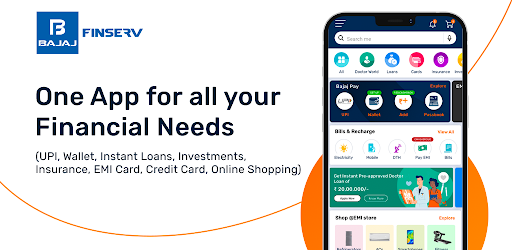
The integration of tools like an insurance app and access to instant loan options has further influenced how people approach their financial commitments. These changes are not just about speed, but also about maintaining consistency, tracking expenses, and avoiding missed payments.
This shift reflects a deeper change in financial behavior where bill payments are no longer treated as isolated tasks but as a structured component of expense planning habits.
Evolution of Bill Payment Methods
From Manual to Digital Systems
Earlier, bill payments required physical presence, paperwork, and manual tracking. People had to visit service centers or banks, which often led to delays and inefficiencies. Missed due dates were common due to lack of reminders.
Today, digital platforms have simplified the process. Users can now pay bills through mobile devices, schedule transactions, and receive notifications before due dates. This transition has reduced dependency on manual systems and improved payment accuracy.
Role of Automation in Payments
Automation has become a central feature in modern bill management. Recurring payments can now be scheduled, ensuring that essential bills are paid on time without constant monitoring. This reduces the risk of penalties and helps maintain a steady financial routine.
Automated payments also allow individuals to focus on other financial priorities while ensuring that their regular obligations are handled efficiently.
Importance of Bill Payments in Expense Planning
Structured Financial Discipline
Regular bill payments contribute to financial discipline. When individuals track and manage their payments effectively, they gain a clearer understanding of their spending patterns. This awareness helps in creating realistic budgets and avoiding unnecessary expenses.
Avoiding Financial Disruptions
Missed payments can lead to penalties, service interruptions, and increased financial stress. By incorporating bill payments into a structured plan, individuals can avoid these disruptions and maintain stability in their financial life.
Digital Tools Transforming Bill Payments
Integration with Financial Applications
Modern financial tools combine multiple services into one platform. For example, an insurance app not only helps manage policy payments but also tracks due dates and provides reminders. This integration ensures that users do not overlook important financial commitments.
Similarly, access to instant loan features within financial platforms allows users to handle urgent bill payments without delays. This flexibility plays a crucial role in maintaining consistency in expense management.
Real-Time Tracking and Alerts
Digital systems provide real-time updates on transactions, enabling users to monitor their payments instantly. Alerts for upcoming bills and successful transactions help maintain transparency and control.
These features reduce uncertainty and allow users to plan their expenses more effectively.
Changing Consumer Behavior
Preference for Convenience
Convenience has become a major factor influencing bill payment choices. People prefer methods that save time and reduce effort. Mobile-based payments, quick authentication, and simplified interfaces are now expected features.
This shift indicates a move towards solutions that align with fast-paced lifestyles.
Increased Awareness of Financial Planning
Individuals are becoming more aware of the importance of managing their finances. Bill payments are now viewed as part of a larger financial strategy rather than isolated transactions.
This awareness encourages better planning, timely payments, and improved financial health.
Security and Reliability in Modern Payments
Importance of Secure Transactions
As digital payments increase, security has become a primary concern. Reliable platforms use advanced measures to protect user data and ensure safe transactions. This builds trust and encourages wider adoption of digital payment methods.
Reducing Errors and Fraud Risks
Automated systems minimize human errors and reduce the chances of fraudulent activities. Clear transaction records and verification processes add an extra layer of security.
These improvements make digital bill payments more dependable compared to traditional methods.
Challenges in Adapting to New Payment Systems
Digital Literacy Barriers
Not everyone is comfortable with digital tools. Some individuals face difficulties in understanding and using new technologies. This creates a gap in adoption and limits the benefits of modern payment systems.
Dependence on Technology
While digital systems offer convenience, they also create dependence on technology. Technical issues, connectivity problems, or system failures can disrupt payment processes.
It is important to have backup options and maintain awareness of payment schedules to avoid complications.
Strategies for Effective Bill Payment Management
Creating a Payment Schedule
Organizing bills based on due dates helps in managing payments efficiently. A clear schedule ensures that no payment is missed and reduces last-minute stress.
Using Reminders and Alerts
Setting up reminders for upcoming bills is a simple yet effective strategy. Notifications help individuals stay on track and maintain consistency in their payments.
Monitoring Expenses Regularly
Regularly reviewing expenses provides insights into spending habits. This helps in identifying areas where adjustments can be made to improve financial stability.
Future Trends in Bill Payments
Increased Use of Integrated Platforms
Future payment systems are likely to offer more integrated solutions. Users will be able to manage multiple financial activities, including bill payments, savings, and borrowing, within a single platform.
The role of tools like an insurance app will continue to expand, offering more features and better user experience.
Growth of Flexible Payment Options
Flexible payment options, including instant loan facilities, are expected to become more common. These options provide support during financial constraints and ensure that essential payments are not delayed.
Such developments will further enhance the efficiency of modern expense planning habits.
Conclusion
The way individuals handle bill payments has evolved significantly, reflecting broader changes in financial behavior. Digital tools, automation, and integrated platforms have made it easier to manage payments while improving accuracy and efficiency.
The inclusion of services like an insurance app and access to instant loan options has added flexibility to modern financial systems. These features support timely payments and help individuals maintain better control over their expenses.
As financial awareness continues to grow, bill payments will remain a key component of structured expense planning. Adapting to these changes and using available tools effectively can lead to more organized and stable financial management.